Your Library Card Is a Subscription Service You Already Paid For
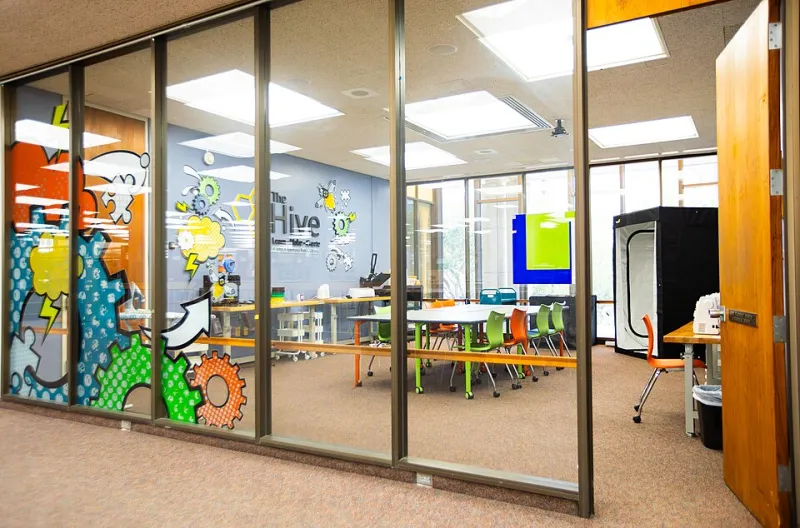
Photo: BeesCuddleFlowers, CC BY-SA 4.0, via Wikimedia Commons
If you are like most people, your library card lives in a wallet behind a gym membership you do not use and a gift card to a restaurant that closed in 2023. You probably think of it as a book thing. In 2026, that is like thinking of your phone as a thing for calls. The modern public library is a subscription service with a confusingly old-fashioned name, and you are already paying for it with your taxes. The only missing step is asking what is on the menu.
The library of things is real
The big shift over the past decade is that libraries started lending objects, not just media. The trend is usually called the 'library of things,' and it has spread from a handful of experimental branches to systems across the country. The inventory varies by funding and local demand, but the categories are surprisingly consistent.
Wi-Fi hotspots. This is the perk that should be on a billboard. Many libraries lend mobile hotspots for weeks at a time, often with unlimited data. For students, remote workers, and anyone in a broadband gap, it is a lifeline. Some systems prioritize households without internet; others lend to anyone with a card.
Tools and home equipment. Library of things catalogs include drills, saws, ladders, sewing machines, pressure washers, and sometimes lawn equipment. The logic is simple: most people need a power drill for one afternoon, not a lifetime. Libraries also lend specialty kitchen gear like stand mixers, dehydrators, and cake pans.
Technology you do not want to buy. 3D printers, laser cutters, digital cameras, tripods, and audio recorders show up in library makerspaces. Some branches lend Raspberry Pi kits, robotics sets, and portable projectors. In 2026, a few systems even lend air quality monitors and thermal cameras.
Seeds and garden supplies. Seed libraries are exactly what they sound like: you take seeds, you grow plants, and ideally you save seeds to return. Some branches lend garden tools and soil testers too.
Museum and park passes. Many libraries offer free or discounted passes to local museums, zoos, aquariums, and state parks. The passes are often funded by friends-of-the-library groups and can save a family $50 or more per visit.
Digital media. This is the most used perk and the least discussed. Library cards unlock streaming services like Kanopy and Hoopla, audiobook and e-book platforms like Libby, and research databases that would cost hundreds a year. You can also access language-learning apps, genealogy tools, and consumer review databases.
How the funding works
Public libraries are mostly funded by local taxes, with state and federal grants filling gaps. The Institute of Museum and Library Services distributes federal Library Services and Technology Act funds, which support everything from broadband access to digital literacy programs. Friends of the Library groups and book sales cover the extras. Fines and fees used to be a bigger revenue source, but many systems have eliminated overdue fines because they deter the people who need the library most.
The catch is that library budgets are local. A wealthy suburb may have a 3D printer and a seed catalog; a rural branch may have one computer and a book sale. The library of things is not evenly distributed. But even small systems often have hidden perks: a meeting room, a notary, a tax prep volunteer, or a summer reading program that feeds kids.
Why most people never ask
The main reason is branding. Libraries have spent decades telling people they are about books, and people believed them. The second reason is that the catalog is confusing. Library of things items are not always in the main search; you may need to browse a separate page or ask a librarian. The third reason is time. It is easier to buy a $20 drill than to learn a lending policy.
A practical starting point
Go to your library's website and look for a tab called 'Library of Things,' 'Beyond Books,' or 'Borrow.' If you do not see one, call the reference desk and ask what non-book items they lend. Ask about hotspot lending, museum passes, and digital streaming. If you have kids, ask about STEM kits and launchpads. If you are handy, ask about tools.
Then check the fine print. Loan periods for objects are often shorter than for books, and there may be a deposit or a replacement fee. Some items must be picked up in person. Some require a signed waiver. None of that is a dealbreaker; it is just the price of a subscription you already own.
The library card is not a nostalgic artifact. It is a key to a shared toolbox, a streaming account, a seed bank, and a quiet room with air conditioning. In 2026, that is a lot of value for a piece of plastic in your wallet.