Buzzed, Binged, and Burned Out: How Push Notifications Hijacked Your Brain
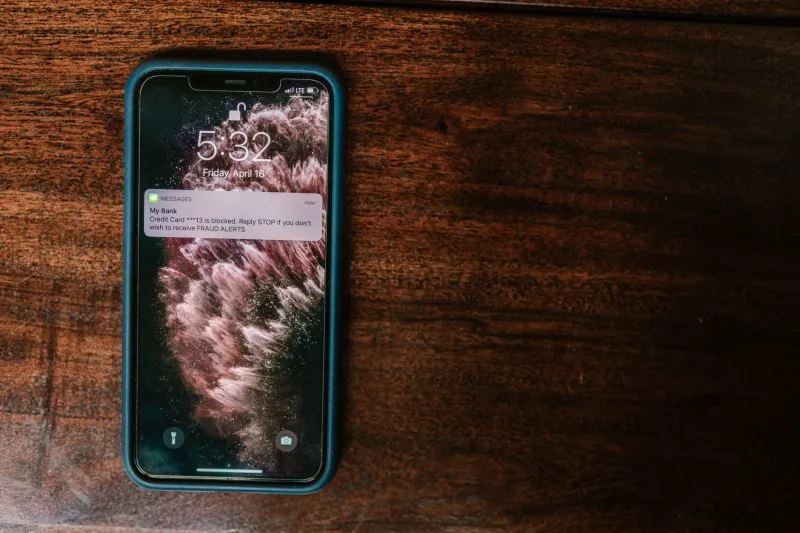
Picture your phone sitting on the table. Now picture it sitting quietly. Just... sitting there. No buzz, no chime, no little red badge screaming at you from the corner of an app icon.
For most people in 2014, that image feels almost fictional.
Somewhere between the early days of BlackBerry email alerts and the current era of seventeen apps fighting for your attention before you've even had coffee, push notifications went from being a genuinely useful tool to something closer to psychological warfare. And the wild part? Most of us signed up for it willingly.
Where This All Started
Back when smartphones were still a novelty, push notifications were legitimately exciting. Apple introduced its Push Notification Service in 2009, and the idea was clean and sensible: instead of your apps constantly running in the background draining your battery, a central server would deliver a message to your device when something actually worth knowing happened.
You got a text. Your flight was delayed. Your friend tagged you in a photo. That kind of thing.
For a minute, it worked beautifully. Notifications felt like a useful assistant tapping you on the shoulder — not demanding, just informative. The problem is that "useful assistant" model only holds up when the people sending notifications have your best interests in mind. Spoiler: they often don't.
The Moment Apps Figured Out What Notifications Could Really Do
Here's the thing about app developers and the companies behind them: they measure engagement obsessively. Daily active users, session length, click-through rates — every interaction you have with an app is tracked, analyzed, and optimized. And at some point, someone in a product meeting noticed something interesting.
Notifications drive opens. Like, a lot.
Suddenly, the calculus shifted. Notifications weren't just about keeping users informed anymore — they were a re-engagement lever. A way to drag someone back into an app they hadn't touched in three days. Game apps started sending "Your crops are ready to harvest!" alerts. Shopping apps pinged you about sales that were somehow always ending in the next two hours. Social platforms started notifying you when someone you don't follow posted something they thought you might like.
That last one is worth pausing on, because it's a perfect example of notification creep. There's no practical reason you need to know that a stranger posted a video. The only reason that notification exists is to get you to open the app. It's not serving you. It's serving the platform's engagement numbers.
Your Brain on Buzz
So what does this constant interruption actually do to you? It turns out, a fair amount.
Researchers have been looking at how interruptions affect cognitive performance for years, and the findings aren't great. Even a brief distraction — the kind caused by glancing at a notification — can derail a train of thought significantly. Some studies suggest it takes over twenty minutes to fully regain focus after an interruption. If you're getting pinged every few minutes throughout the day, you're essentially never reaching deep concentration at all.
Then there's the anxiety angle. A lot of people report feeling genuinely stressed when they're separated from their phones, partly because they've been conditioned to expect notifications. The buzz or chime triggers a small dopamine response — the same reward pathway that makes slot machines so effective. You check your phone not because you expect something important, but because checking has become a reflex, and the anticipation of a reward is enough to keep the cycle going.
Notification fatigue is real, and it shows up in some specific ways: difficulty concentrating on longer tasks, a shortened attention span, a vague sense of being always "on call" even when you're technically off the clock, and the creeping feeling that you're constantly behind on something without being able to name exactly what.
The Design Choices That Made This Worse
None of this happened by accident. App designers and UX researchers are very good at what they do, and a lot of what they do is specifically engineered to maximize the time you spend engaged with a product.
Variable reward schedules — where you don't know if checking your phone will bring something exciting or nothing at all — are particularly effective at building compulsive checking behavior. Social media platforms have this baked in by design. Sometimes you open Instagram and there are twelve new likes and a comment from someone you care about. Sometimes there's nothing. That unpredictability keeps you coming back far more reliably than a consistent reward would.
Badge counts are another deliberate pressure point. That red circle with a number in it sits on your app icon like a tiny accusation. It implies you have unfinished business. It implies you're behind. Even people who logically know the number doesn't matter report feeling compelled to clear it.
Getting Your Attention Span Back
The good news is that this is actually fixable, and you don't have to go full off-the-grid to do it. A few practical moves can make a meaningful difference.
Do a notification audit. Go into your phone's settings right now and look at which apps have permission to send you notifications. You will almost certainly find apps you forgot existed, apps you haven't opened in months, and apps that have absolutely no legitimate reason to ever interrupt your day. Revoke access liberally.
Separate urgent from ambient. Some notifications genuinely matter — calls, texts from people you care about, calendar reminders. Others are just noise. Most phones let you customize which apps can make sounds or vibrate versus which ones just quietly stack up in your notification center. Use that feature aggressively.
Try scheduled check-ins instead of reactive checking. Rather than responding to every buzz the second it happens, pick two or three times a day when you actually go through notifications intentionally. This feels uncomfortable at first, and then it feels incredibly freeing.
Turn off badge counts. Seriously, just try it. The little red numbers are designed to create urgency that usually isn't real. Removing them from your home screen removes a constant low-level source of stress.
Give yourself phone-free windows. Even an hour in the morning or evening where the phone is in another room does measurable things for your ability to focus and relax. It sounds obvious because it is, but most people never actually do it.
The Bigger Picture
We're at a kind of inflection point with this stuff in 2014. Smartphones are mainstream, apps are everywhere, and the competition for your attention has never been fiercer. Every app on your phone is competing not just with other apps, but with sleep, conversation, work, and every other claim on your time.
The notifications are going to keep coming. The companies sending them have strong financial incentives to keep you engaged, and they're good at it. The only real countermove is being deliberate about what gets access to your attention — because your attention is genuinely valuable, and a lot of people are working hard to take it from you.
Your phone doesn't have to run your day. It's just going to keep trying to unless you tell it otherwise.