Lockers, Liens, and Letdowns: What Really Happens at a Storage Auction
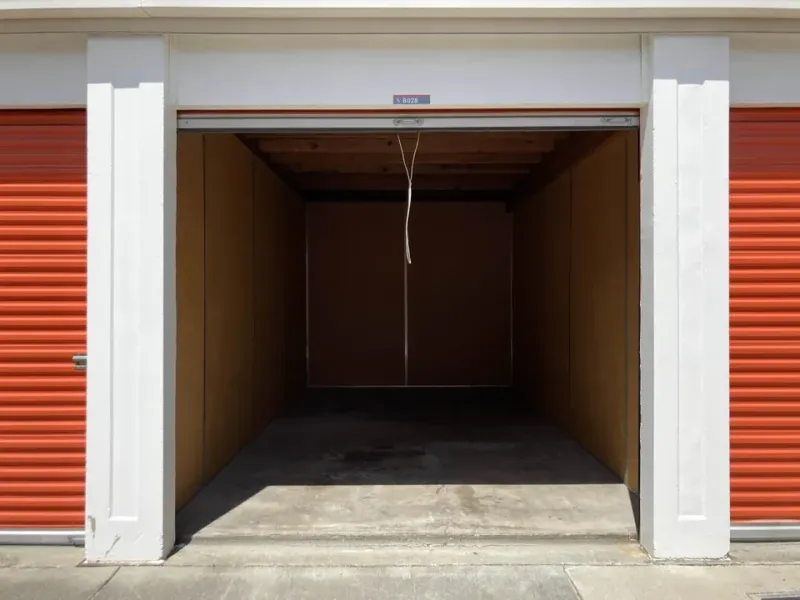
Photo: Jiwoahn, CC0, via Wikimedia Commons
Somewhere between 2010 and 2013, cable TV convinced a chunk of America that a padlocked garage door was a portal to either a fortune or a fistfight. Shows like Storage Wars and Auction Hunters turned the humble lien sale into a spectator sport, complete with catchphrases, staged rivalries, and the promise that a dusty locker in the San Fernando Valley might contain a Civil War saber. More than a decade later, the genre still limps along in reruns and streaming queues, and plenty of people still picture storage auctions as treasure hunts with a side of drama.
They are not. In 2026, a storage-unit auction is closer to a bureaucratic errand than a gold rush — a process built around state lien laws, notice requirements, and the grim business of someone losing access to their stuff. That gap between the TV version and the real version is worth understanding, partly because it is genuinely interesting, and partly because if you ever show up to bid, you should know what you are walking into.
First, the TV version was never the point
Reality storage shows were less about storage than about characters. The lockers were often seeded, the finds were amplified, and the actual auction mechanics were compressed into a few minutes of banter. The format worked because it borrowed the shape of a treasure hunt: unknown container, hidden value, human competition. It did not work because it was accurate.
In real life, the storage facility is not your host. It is a business trying to recover unpaid rent, and the lien sale is a legal remedy, not an entertainment product. The unit is opened, bidders get a limited look from the doorway, and the auction moves fast. Nobody is digging through boxes on camera. Nobody is dramatically pulling a vintage watch from a sock drawer. Most of the time, bidders are squinting at a mattress, a plastic tub, and a lamp from 2009 and trying to guess whether the clean-out cost is worth it.
How a lien sale actually works
When a tenant falls behind on rent, the facility cannot simply keep the contents. State law sets out a process, and while the details vary, the broad strokes are similar. The facility sends notice, waits out a statutory period, advertises the sale, and then auctions the contents to recover what is owed. In many states, the tenant can still pay the debt and reclaim the unit before the sale. Some states require the facility to notify the tenant of the sale date; others have specific rules about who can bid and how proceeds above the debt are handled.
In 2026, a lot of these sales happen online. That changes the texture of the thing. Instead of a cluster of bidders in a parking lot, you get a listing with a photo of a rolled-up door and a vague description. Some platforms allow a brief live walkthrough; others do not. The result is a kind of remote gambling with extra steps. You are bidding on a unit you cannot fully inspect, based on a thumbnail and a deadline.
What bidders actually find
The honest answer is: the contents of someone's life during a bad stretch. Storage units hold overflow, transitions, and unfinished moves. That means clothes, mattresses, holiday decorations, small appliances, old televisions, furniture with water damage, boxes of paperwork, and a surprising number of plastic storage bins labeled 'Christmas' or 'Misc.' Tools show up. So do bikes, golf clubs, and the occasional decent piece of furniture. Valuable antiques and forgotten safes are the exception, not the rule.
Buyers also inherit problems. A unit might contain hazardous materials, firearms, medications, or personal documents. Some states require buyers to handle certain items in specific ways; others leave it to the buyer's conscience and the facility's rules. Personal photos and identifying paperwork are a particular gray area. Many facilities try to return documents to the tenant or hold them back, but the patchwork of rules means there is no single national standard. The glamorous TV version never shows the part where someone has to decide what to do with a stranger's wedding album.
The clean-out math
Here is the part the shows skip: winning the bid is only the beginning. The buyer is responsible for clearing the unit, usually within a set window. That means hauling, sorting, disposing, and sometimes paying dump fees. A unit that looks like a bargain at $150 can turn into a $400 problem once you factor in a truck, a dump run, and a weekend of your life. Experienced bidders price the clean-out before they price the treasure. They also know that the resale market is not what it was a decade ago; used furniture and electronics move slowly, and 'vintage' is not a magic word.
What happens to the stuff nobody buys
If a unit does not sell, or if the winning bidder backs out, the facility still has to deal with the contents. State laws and facility policies vary, but the usual paths are donation, disposal, or a later sale. Some facilities partner with local charities; others haul everything to the dump. Personal effects with identifying information are supposed to be handled carefully, but the reality is that the system is not built to preserve the dignity of every abandoned item. That is the uncomfortable truth beneath the TV spectacle: the sale is a debt-collection mechanism, and the stuff is collateral. The people are mostly invisible.
Why the gap matters
Reality TV is not required to be accurate, and nobody should plan their weekend around a cable-show version of a lien sale. But the gap between the fantasy and the process is a useful reminder of how ordinary financial trouble becomes someone else's entertainment. The real auction is quiet, legal, and often sad. It is also, occasionally, a decent place to buy a bicycle. Just do not expect a sword.