10,000 Photos and Not One Worth Keeping: The Strange Reason You Still Won't Delete Them
Your Camera Roll Is a Mess and You Know It
Somewhere on your phone right now, there's a photo of a ceiling. Maybe you accidentally hit the shutter button at a party. Maybe you were trying to capture something and fumbled. Either way, it's sitting there in your camera roll, sandwiched between a blurry shot of your dog mid-sneeze and a receipt you photographed in 2013 because you were "definitely going to need that later."
You have not needed it.
According to some rough estimates floating around tech circles in 2014, the average smartphone user carries somewhere between 600 and 1,000 photos on their device at any given time — and a meaningful chunk of those photos are, to put it gently, garbage. Out of focus. Poorly lit. Duplicates of duplicates. Screenshots of memes that weren't even funny when they were fresh.
And yet, there they sit. Undisturbed. Untouched. Immortal.
The Storage Situation Nobody Wants to Face
Here's the thing about modern smartphones: they made it almost too easy to take pictures. Back when you had a 24-exposure roll of film, every shot had weight. You thought before you clicked. You didn't take six photos of the same plate of pasta just to find the right angle.
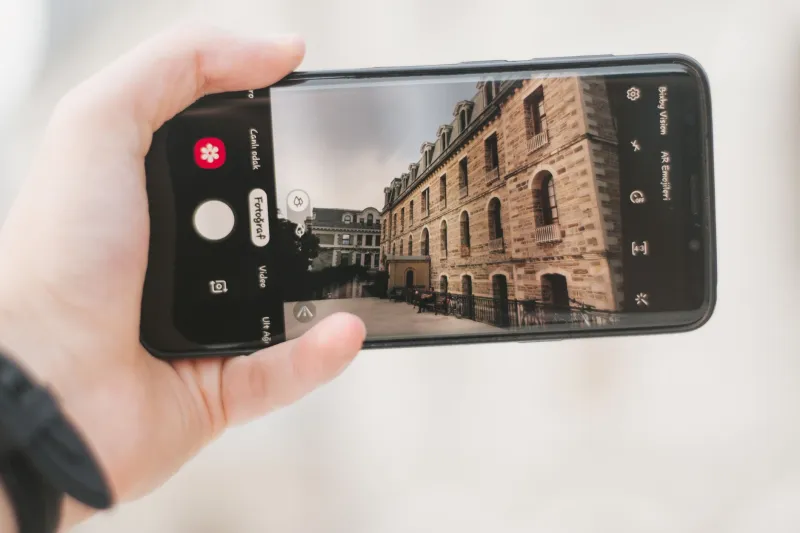
But now? Storage is cheap, cameras are instant, and the psychological cost of snapping a photo is basically zero. A 16GB iPhone can hold thousands of images. A 32GB Android device even more. The friction that once made us selective photographers has been almost entirely removed.
So we shoot everything. The sunset that looked better in person. The funny sign outside a gas station in Ohio. The group photo where everyone looks good except one person who blinked, followed by the retake where a different person blinked, followed by the retake where everyone looks vaguely annoyed.
All of it goes into the camera roll. None of it comes out.
Why Deleting Feels Harder Than It Should
This is where it gets genuinely interesting, because the reluctance to delete photos isn't really about laziness — at least not entirely. There's some actual psychology at work here.
Psychologists who study digital behavior have pointed to something called the "endowment effect," which is basically the human tendency to overvalue things we already possess. Once a photo exists on your phone, it becomes yours in a way that makes discarding it feel like a small loss, even if the photo is objectively worthless. Your brain doesn't fully distinguish between a crisp, beautiful image of your kid's first birthday and a blurry, finger-over-the-lens shot from the same day. Both get filed under "memories" in the emotional ledger.
There's also the "what if" factor. What if you delete that mediocre photo and it turns out to be the last photo you ever took in that place? What if years from now you desperately wish you had it? The fear of future regret is a powerful paralytic, and it keeps millions of Americans from ever opening their photo management apps at all.
Add to that the sheer volume problem: when you've got 3,000 photos to sort through, the task feels so overwhelming that doing nothing starts to seem like the rational choice. Psychologists call this "decision fatigue." The rest of us call it "I'll deal with it this weekend" — a weekend that has not yet arrived.
The Moment People Finally Snap
So what actually makes someone sit down and do the purge? Turns out, there are a few reliable triggers.
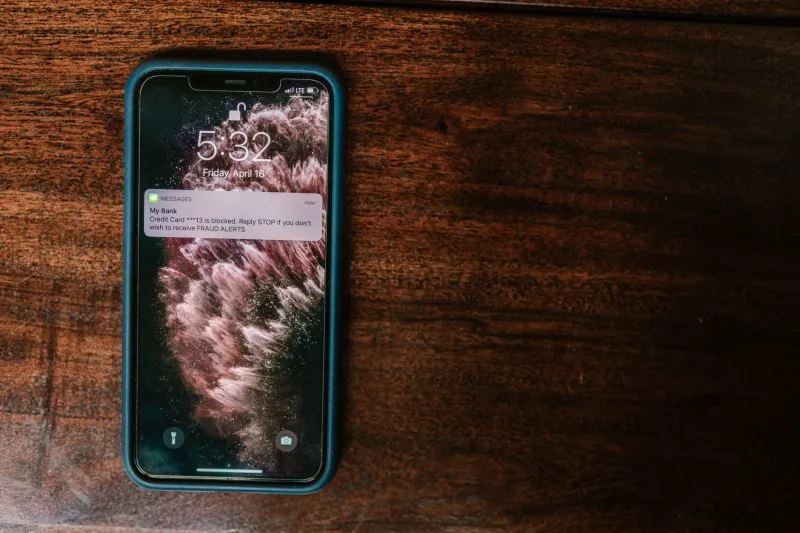
The most common one is the dreaded "Storage Almost Full" notification. Nothing motivates action quite like your phone refusing to take a new photo because it's already drowning in old ones. Suddenly, deleting becomes urgent. The blurry ceiling photo? Gone. The seventeen nearly identical selfies? Ruthlessly culled down to one. Crisis creates the clarity that ordinary Tuesday afternoons never could.
The second trigger is getting a new phone. When you're migrating data and you have to actually look at what you're transferring, a lot of people experience a kind of reckoning. Do you really want to carry these 4,000 photos into your shiny new device? Some do. Some don't. But at least the question gets asked.
The third trigger, interestingly, is showing someone else your phone. The moment you hand your device to a friend to show them one specific photo and they start swiping, you suddenly become very aware of everything else that's in there. The embarrassing selfies. The weird screenshots. The photo of that ceiling.
We Are All Accidental Archivists
There's a bigger picture here worth acknowledging. What we're really talking about is the way smartphones have turned ordinary people into passive archivists of their own lives — and not particularly organized ones.
Before the digital age, photos were curated by necessity. You printed the good ones, tossed the bad ones, and put the keepers in an album. The physical constraint of space forced a kind of editorial discipline. Now that constraint is gone, and we've replaced it with... nothing. No system, no habit, no regular review process. Just an endlessly growing pile of visual data that vaguely represents our lives.
In some ways, that's kind of amazing. Future generations might have unprecedented access to what everyday life looked like in 2014 — the food, the fashion, the random strangers caught in the background of a hundred thousand Instagram shots. Historians would probably love it.
In other ways, it's just a lot of blurry photos of ceilings.
A Few Things That Might Actually Help
If you're feeling called out right now, here are a few approaches people swear by when it comes to actually managing a bloated camera roll.
First, the "one sitting" method: block out an hour, put on a podcast, and go through your photos in batches. Don't try to be perfect. Just delete the obvious duds — the blurry ones, the accidentals, the screenshots you've already acted on.
Second, the "favorites" approach: instead of deleting, start by marking your actual favorite photos. Once you've identified the keepers, everything else feels less precious and easier to cut.
Third, and this one's simple: just deal with the "Storage Full" notification the next time it pops up instead of dismissing it for the eleventh time.
Your camera roll will never be perfect. But somewhere in there, buried under all the noise, there are probably some genuinely good photos worth keeping. The ceiling shot, however, is not one of them.