Thanks Autocorrect, Now My Boss Thinks I'm Losing My Mind
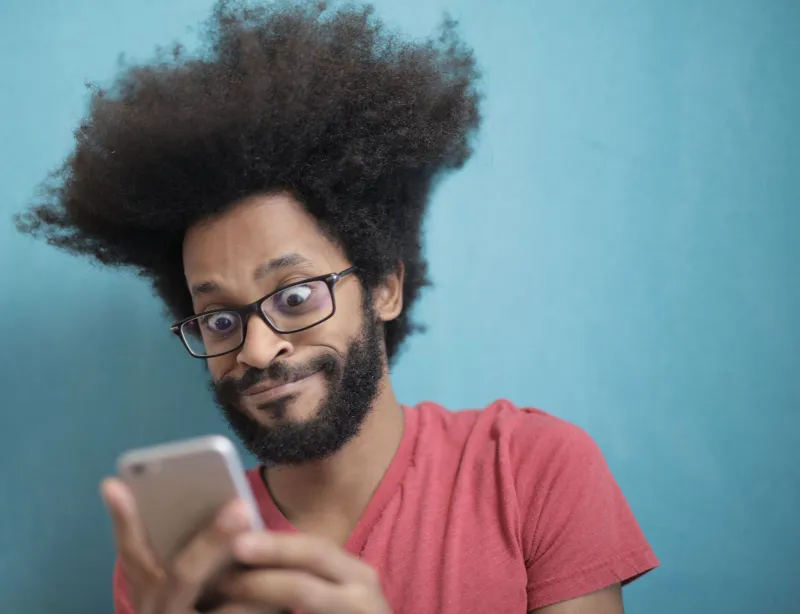
Somewhere out there, right now, someone is frantically typing "I meant DUCK" and hoping the damage isn't permanent. We've all been there. You fire off a quick text, glance at the sent message, and feel your stomach drop as you realize your phone has silently, confidently replaced a perfectly normal word with something that makes no sense at all — or worse, makes a very different kind of sense.
Autocorrect has been a fixture of smartphones since the early days, and the promise was always reasonable: let the phone catch your typos so you don't have to proofread every single message. In practice, the results have been... mixed.
A Brief History of Betrayal
The technology behind autocorrect is older than most people realize. Early versions showed up in word processors back in the 1990s — the kind that would helpfully capitalize the first letter after a period or fix "teh" to "the." Simple stuff. Useful stuff.
Then smartphones arrived and the whole system got more ambitious. Instead of just catching obvious errors, autocorrect started trying to predict what you meant. It began learning from your typing habits, cross-referencing against a built-in dictionary, and making judgment calls in real time about what word you probably intended.
The problem is that "probably" is doing a lot of heavy lifting in that sentence. Autocorrect's confidence wildly outpaces its accuracy, and the results have been giving people secondhand embarrassment since around 2009.
The Professional Email Problem
Texts to friends are one thing. Autocorrect disasters in professional settings are a different category of awful entirely.
There's a particular horror in sending an email to your entire department and discovering afterward that autocorrect changed "attached" to something else, or transformed "regards" into a word that raises HR concerns. Business emails tend to get written quickly — you're multitasking, you're in a hurry, you're typing on your phone between meetings. That's exactly the environment where autocorrect thrives.
The sneakiest version of this is when the replacement word is real and spelled correctly — just completely wrong for the context. Spell check won't flag it. Autocorrect won't flag it. It looks fine at a glance. But the sentence now says something you absolutely did not intend, and your coworker is reading it with a very puzzled expression.
Why Does It Keep Getting Words Wrong?
Here's where things get interesting. Autocorrect dictionaries are built from massive datasets of written text — books, articles, web content — but they weren't exactly built with your specific vocabulary in mind. If you use a lot of industry jargon, slang, names of people or places, or any kind of specialized terminology, autocorrect has no idea what you're talking about and will confidently replace your words with something it does recognize.
Names are especially brutal. Autocorrect has a long and storied history of mangling people's names into unrelated words. Your friend Brent becomes "Bent." Your coworker Lacey becomes "Lacy" or "Lace" or, somehow, "Lacquer." The phone isn't being malicious. It just doesn't know these people and can't quite process that you'd deliberately type something that isn't in its dictionary.
There's also the speed factor. Autocorrect makes its corrections in milliseconds, often before you've even finished the word. The faster you type, the more opportunities it has to intercept a half-formed word and replace it with something from its own mental filing cabinet. And most people are typing faster than ever in 2014 — thumbs flying, barely looking at the screen.
The "It's Learning" Myth
Phone manufacturers have long claimed that autocorrect learns from your behavior over time. Use a word enough times and it'll stop fighting you. In theory, this sounds great. In practice, what it mostly means is that your phone has now also learned all your typos and will occasionally autocorrect correct words into your most common mistakes.
There's also a fun quirk where certain phones learn from your message history and start suggesting phrasing based on who you're texting. Great in concept. Slightly unsettling when you realize your phone has developed a pretty solid model of your conversational patterns. And occasionally disastrous when it applies patterns from one conversation to a very different context.
The Cultural Side Effect Nobody Expected
Here's something worth noting: autocorrect disasters have become their own form of entertainment. There are entire websites dedicated to collections of autocorrect fails. They're shared on social media constantly. People screenshot their worst ones and send them to their friends.
In a weird way, autocorrect has become part of how Americans communicate humor. The shared experience of being betrayed by your own phone is so universal that it functions almost like a cultural touchstone. Everybody has a story. Everybody has sent a message they immediately regretted.
And maybe that's the most honest thing autocorrect has ever given us — not cleaner texts, but a reliable source of commiseration. We're all in this together, frantically typing corrections, hoping the other person checks the follow-up message before they respond to the first one.
In the meantime, maybe proofread before you hit send. Or at the very least, brace yourself.