Too Many Remotes, Too Little Time: How Streaming Went From Simple to Suffocating
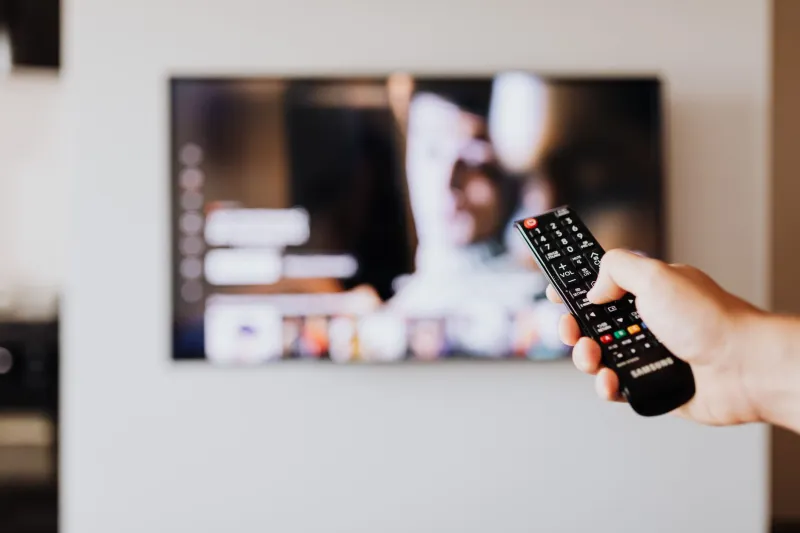
Not that long ago, the pitch was irresistible. Ditch your bloated cable package, pick the streaming services you actually want, and only pay for what you watch. Clean. Simple. Liberating. People bought in hard, and honestly, who could blame them? Cable companies weren't exactly beloved institutions.
But here's the thing nobody really warned you about: the à la carte dream has a catch. A pretty big one. Because right now, in 2014, the streaming landscape has quietly fractured into a dozen different corners, each one guarded by its own monthly fee, its own login, and its own app that may or may not work on your particular TV setup. And somewhere in the middle of all that freedom, a lot of people are sitting on their couch, scrolling through menus, and watching absolutely nothing.
The Promise vs. The Reality
When Netflix first started mailing DVDs and then pivoted to streaming, the value proposition was crystal clear. One flat fee, a giant library, done. Hulu came along and added next-day TV episodes. Amazon threw streaming into Prime as a bonus. For a while, those three more or less covered the bases.
Then things got complicated.
Anime fans discovered Crunchyroll. Sports junkies realized that live games were mostly locked out of the major platforms. Horror enthusiasts found niche services catering specifically to them. Kids' programming splintered off. Documentary lovers went hunting for their own corners of the internet. Suddenly the "just subscribe to what you want" model started requiring a spreadsheet to manage.
Right now, a reasonably well-rounded viewer who wants anime, live sports, current network TV, prestige cable dramas, classic films, and the occasional indie documentary is looking at somewhere between five and ten separate subscriptions. Add them up and you're not saving money compared to cable anymore. You might actually be spending more — and doing more work to manage it all.
Decision Paralysis Is a Real Thing
There's actual psychology behind what happens when you give people too many choices. Researchers have been writing about it for years. When your options multiply past a certain point, the brain doesn't get more satisfied — it gets more anxious. You second-guess yourself. You wonder if something better is one more scroll away. You end up choosing nothing because choosing something feels like committing to the wrong thing.
Streaming has basically built that problem directly into its business model.
Think about the last time you sat down to watch something and spent twenty minutes just figuring out what to watch. You bounce between Netflix and Hulu, remember you wanted to check out that show on Amazon, wonder if it's worth pulling up that sports app for tonight's game, and somewhere in there realize you're not even sure what you're in the mood for anymore. The TV is on. You are technically watching. But you're not really watching anything — you're managing a content portfolio.
Cable, for all its faults, at least made the decision easier. You flipped through channels. Something caught your eye. You watched it. The friction was low even if the cost was high.
The Niche Platform Explosion
Part of what's driving this fragmentation is that content rights are genuinely complicated, and different types of programming have ended up in very different places.
Sports are a perfect example. If you want to follow your favorite teams closely, you're probably looking at league-specific apps, regional sports networks that may or may not stream, and broadcast deals that shift around constantly. There's no single sports streaming destination that covers everything, and there probably won't be anytime soon because the rights deals are too scattered.
Anime is another case study. Crunchyroll has built a real following among enthusiasts, but it doesn't have everything. Some titles are on other platforms. Some aren't streaming at all. Fans who want to stay current end up juggling multiple services or filling gaps with other methods that the industry would rather not think about.
Classic film lovers have their own fragmented reality. Old movies bounce between services based on licensing windows, disappear without warning, and reappear somewhere else months later. Building a reliable watchlist across multiple decades of cinema requires almost archaeological dedication.
Who Actually Benefits From This Setup
Here's a question worth sitting with: who does the current fragmented model actually serve?
The streaming services themselves benefit, obviously. Every platform that can carve out a dedicated audience for a specific genre or content type has a reason to exist and charge a monthly fee. Investors like the subscription model. Content creators with niche audiences finally have a place to find their viewers.
But the average consumer? The person who just wants to come home, unwind, and watch something good without doing homework first? That person is getting a pretty raw deal. They're paying more in aggregate, doing more account management, and still hitting dead ends when the specific thing they want to watch turns out to live on the one service they don't subscribe to.
Is There a Fix Coming
Some people think bundling is the inevitable next chapter. The idea being that streaming services will eventually group themselves into packages — not unlike cable, funny enough — and offer combined subscriptions that simplify the experience. There's already some early movement in that direction with certain platforms experimenting with partnerships and shared billing.
Others think a dominant aggregator will eventually emerge. Some kind of universal interface that pulls content from everywhere and lets you find what you want without hopping between apps. That's a technically and legally messy problem to solve, but the demand for it is clearly there.
For now though, the fragmentation is real and it's not going anywhere fast. The streaming wars that everyone said would benefit consumers have, at least partially, produced a landscape that's more complicated to navigate than the monopoly it was supposed to replace.
The Cord-Cutting Bargain, Revisited
None of this means streaming is bad. The content quality across these platforms is genuinely impressive in a lot of cases, and the flexibility to watch on your own schedule is something cable never really offered. The technology is good. The idea is sound.
But it's worth being honest about what the promise of à la carte TV has actually delivered in practice. For a lot of people, it delivered more subscriptions, more logins, more apps, more monthly charges quietly draining from their bank accounts, and — somehow — more nights spent staring at a menu screen trying to figure out what to watch.
Cutting the cord was supposed to simplify your life. For some folks it did. For plenty of others, it just replaced one complicated system with a different complicated system that happens to involve more passwords.