Picture Perfect or Perfectly Exhausted? What Building a Personal Brand Online Actually Costs You
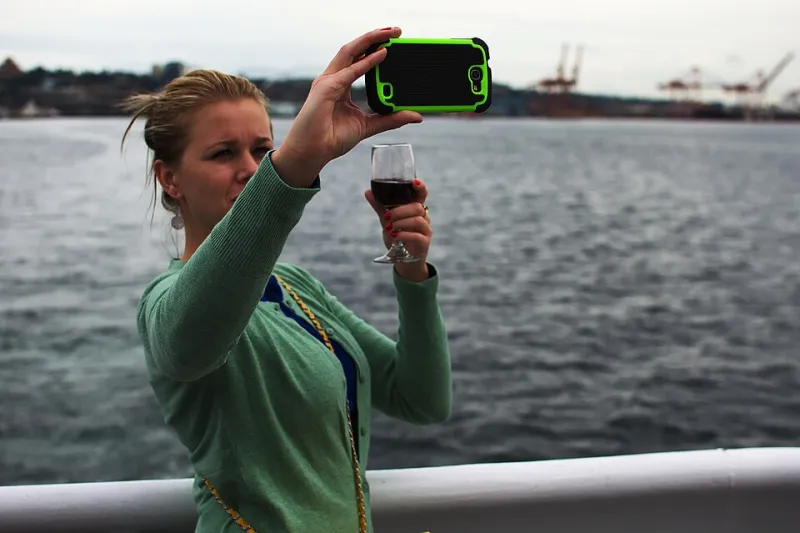
Photo: Maëlick from Charleroi, Belgium, CC BY-SA 2.0, via Wikimedia Commons
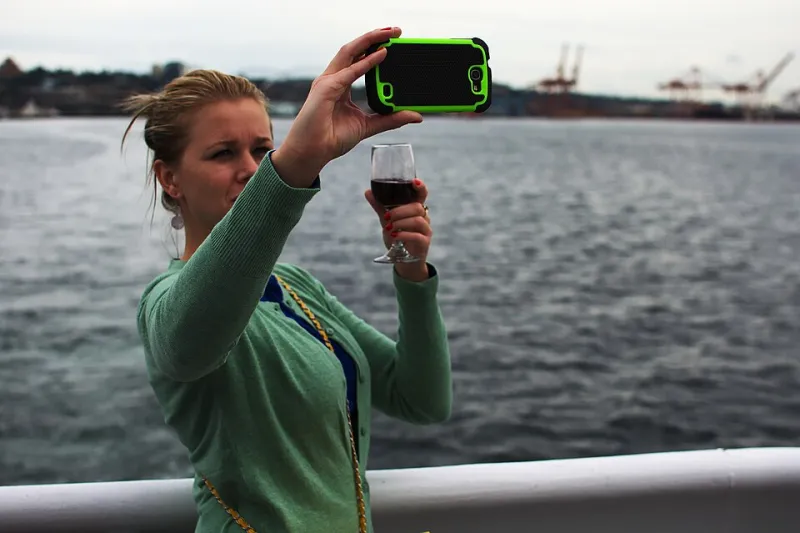
Somewhere between the third re-take of a lunch photo and the careful selection of a filter that makes avocado toast look like fine art, a question worth asking gets buried: Who is this actually for?
Personal branding isn't new. Politicians, athletes, and celebrities have been managing their public image forever. What is new is the expectation that everyone — your neighbor who makes jewelry, your cousin who just started at a marketing firm, you — should be doing it too. And doing it constantly.
In 2014, that pressure has reached a kind of fever pitch. Instagram crossed 200 million users this spring. LinkedIn is nudging professionals to think of their profiles as living documents, not digital resumes. YouTube stars are signing network deals. The message from every corner of the internet is the same: your personal brand is your most valuable asset. Start building it.
But what does that actually look like up close? And what does it cost?
The New Hustle: Ordinary People, Extraordinary Pressure
Let's talk about what personal branding looks like for regular Americans in 2014 — not celebrities, not tech founders, just people trying to get somewhere.
There's the fitness enthusiast who started posting workout photos and healthy meal prep shots, slowly building a following of a few thousand. She spends roughly two hours a day on content — shooting, editing, captioning, responding to comments. She hasn't monetized yet, but she's been told that with enough followers, brand partnerships become possible. She keeps going.
There's the marketing professional who was told by a mentor to 'own his niche' on LinkedIn. He now publishes long-form posts about content strategy twice a week, carefully positioning himself as a thought leader. His connection requests have gone up. Whether that translates to career advancement, he genuinely isn't sure.
There's the aspiring photographer who treats Instagram as a portfolio and a personality simultaneously. Every post is a balancing act between showing real work and showing a lifestyle that attracts clients. She's started to notice she edits her actual life — what she eats, where she goes, what she wears — based on whether it's 'on brand.'
These aren't edge cases. These are millions of Americans navigating a landscape where the line between professional development and performance art has dissolved entirely.
The Authenticity Trap
The word authentic gets thrown around constantly in personal branding circles, and it's worth pausing on how completely contradictory it is in this context.
Authenticity, by definition, means being genuine and unfiltered. Personal branding, by definition, means strategic, deliberate self-presentation. You can't fully do both at once. The moment you start thinking about how a moment will look to an audience, you've stepped outside of it.
This creates a strange psychological loop. People feel pressure to appear relatable and genuine, so they carefully construct the appearance of relatability and genuineness. Behind-the-scenes posts are staged. 'Candid' photos get taken six times. Vulnerability is deployed strategically because it drives engagement.
None of this is cynical — most people doing it genuinely want to connect. But the gap between the self being presented and the self doing the presenting can quietly widen over time. Psychologists who study social media use have started flagging something they call self-concept disruption — the gradual confusion about where your performed identity ends and your actual identity begins.
Does It Actually Pay Off?
Here's the honest answer: sometimes, for some people, in ways that are hard to predict and harder to replicate.
Instagram influencer culture is real, but the economics are murkier than the success stories suggest. The accounts landing meaningful brand deals in 2014 tend to have either very large followings (hundreds of thousands) or very specific, engaged niches. The massive middle ground — accounts with a few thousand followers who put in serious work — often sees minimal financial return.
On the professional side, LinkedIn visibility can genuinely open doors, but the connection between content creation and career outcomes is loose and variable. Plenty of people with polished, active profiles are still grinding through the same job search as everyone else.
What personal branding does reliably produce is visibility. Whether visibility converts to opportunity depends on factors — timing, luck, industry, who happens to see your stuff — that no amount of strategic posting fully controls.
The Toll Nobody Talks About
What gets discussed less than the potential upside is the sustained psychological weight of constant self-presentation.
Posting regularly requires a kind of ongoing self-surveillance. You start evaluating your own life through the lens of content potential. A vacation becomes partly a content opportunity. A meal is assessed for its visual appeal before it's eaten. A difficult day gets processed partly in terms of whether sharing it would be 'on brand' or damaging.
This isn't hypothetical. Researchers studying social media behavior have found consistent links between heavy personal brand management and elevated anxiety, particularly around metrics like follower counts and engagement rates. When your self-worth starts to track with your like counts, you've handed a meaningful piece of your emotional state to an algorithm.
There's also the comparison problem. Instagram especially is a relentless highlight reel, and even people who know it's a highlight reel — who are actively creating highlight reels — still find themselves comparing their behind-the-scenes reality to everyone else's polished front-of-house.
So Should You Bother?
The answer isn't a clean yes or no, which is probably unsatisfying but at least it's honest.
If you're in a field where visibility genuinely matters — creative industries, media, entrepreneurship — some level of deliberate online presence is hard to avoid in 2014. The question is whether you're building something that reflects what you actually do and care about, or whether you're building a character that you've started to feel trapped inside.
The most sustainable version of personal branding is probably the least Instagram-friendly: consistent, specific, low-drama output over a long period of time, without obsessing over the metrics. It's boring advice. It doesn't make for a good case study or a viral moment. But it also doesn't require you to re-take your lunch fifteen times or perform emotions you're not actually feeling.
The selfie isn't the problem. The pressure to make every selfie mean something — to signal success, aspiration, relatability, and expertise all at once — is where things start to get expensive in ways that don't show up in your bank account.