Tweet First, Think Never: The Celebrity Social Media Disasters That Defined an Era
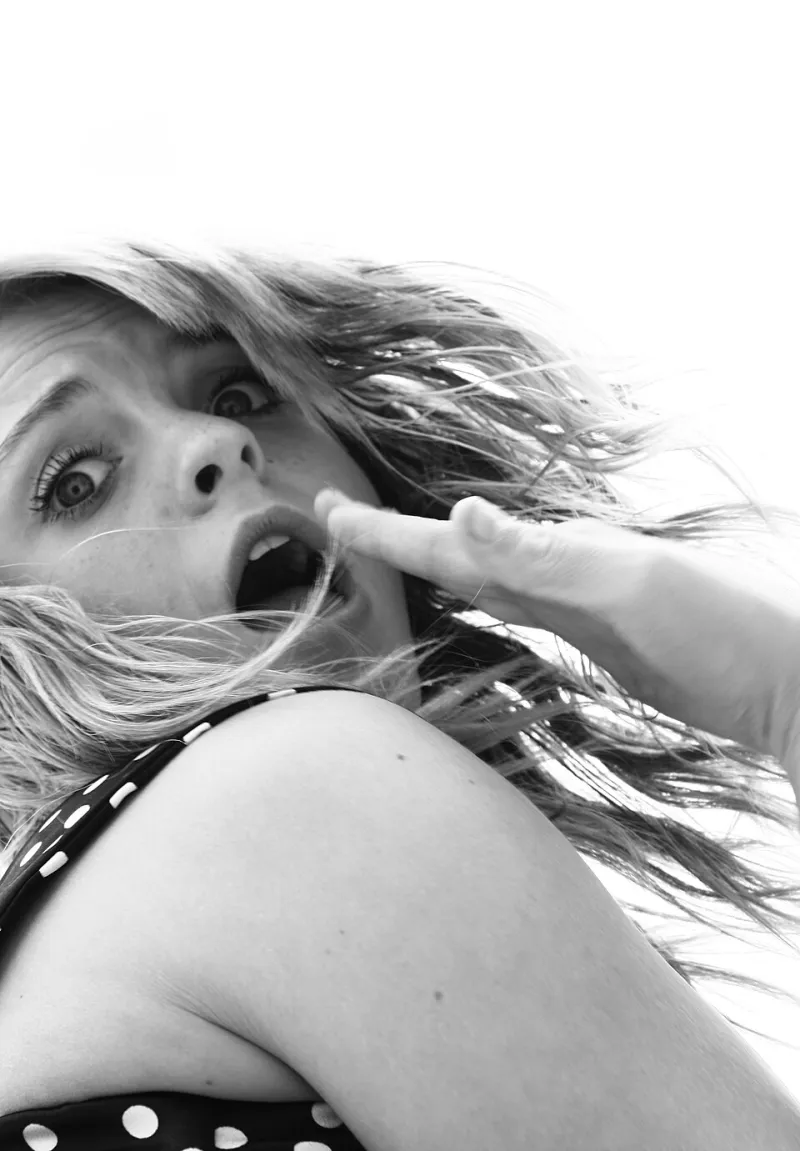
Photo: D. Sharon Pruitt from Hill Air Force Base, Utah, USA, CC BY 2.0, via Wikimedia Commons
There's an old saying: never say anything in an email you wouldn't want your boss to read. These days, that advice needs a serious upgrade. In the age of Twitter, Instagram, and Facebook, the updated version might go something like this: never post anything you wouldn't want screenshotted, retweeted, written about on every entertainment blog in America, and brought up again at completely random intervals for the rest of your life.
Celebrities, brands, and public figures have been learning this lesson the hard way. And honestly? Some of the missteps have been pretty spectacular.
The Internet Has a Perfect Memory (And It's Not Forgiving)
Before social media, a celebrity's bad moment had a shelf life. A poorly worded interview quote might get picked up by a few tabloids, generate some buzz for a week or two, and then fade away. There was a natural expiration date on embarrassment.
Twitter killed that expiration date. Every tweet is archived, searchable, and screenshottable. Old posts get dug up years later when a celebrity does something newsworthy. Context collapses. Nuance evaporates. What you said in 2009 is just as accessible as what you said this morning, and if someone is motivated enough to go looking, they'll find it.
This is the new reality of fame, and the adjustment period has been... bumpy.
When Brands Try to Be Cool and It Goes Very Wrong
It's not just individual celebrities who've stumbled. Brands with social media accounts — which is basically all of them now — have produced some truly cringeworthy moments by trying too hard to be relatable, or by failing to read a room in spectacular fashion.
The phenomenon of brands inserting themselves into tragic news events to promote their products has become its own genre of internet embarrassment. There's a particular kind of cringe reserved for a fast food chain or clothing retailer tweeting something like "Stay safe out there! 🌀 (And don't forget our fall sale!)" in the middle of a natural disaster. It happens. It keeps happening. People keep screenshotting it.
The issue is that social media managers are human beings, posting in real time, often without the multiple layers of approval that a traditional ad campaign would go through. That speed is part of the appeal — it's what makes social media feel alive and spontaneous. But it also means mistakes happen fast and publicly.
The Anatomy of a Celebrity Twitter Meltdown
Then there are the individuals. The celebrities who, for whatever reason — boredom, anger, a misplaced sense of invincibility — decide to engage with critics on Twitter in ways that do not go well for anyone involved.
The pattern is usually pretty consistent. Step one: celebrity says or does something that generates mild online criticism. Step two: celebrity, instead of ignoring it or issuing a brief statement, decides to respond directly to critics. Step three: the responses are not measured or diplomatic. Step four: the original controversy is now a much bigger story because of the responses. Step five: publicist has a very bad day.
What's interesting here isn't just the individual incidents — it's what they reveal about how fame has changed. There used to be a buffer between celebrities and the general public. Fan mail existed. Publicists filtered everything. The carefully managed image was the whole product. Social media blew that buffer up entirely. Now any person with a Twitter account can @ a celebrity directly, and some celebrities genuinely cannot resist responding.
The "Delete Your Account" Era Begins
By 2013 and 2014, a whole vocabulary had developed around social media missteps. "Delete your account" became a standard response to bad posts. "This tweet did not age well" became a fixture of online commentary. Screenshots with the caption "ratio'd" — meaning a tweet had far more replies than likes, a sign that people were piling on — entered the cultural conversation.
The speed of online backlash also accelerated noticeably. What might have taken days to build into a story through traditional media could now explode within hours. A bad tweet posted at 2 PM could be the top entertainment story by 5 PM. That compression of the news cycle has made the stakes of every public post feel much higher, even if most people aren't entirely conscious of it yet.
Some celebrities have responded to this environment by handing their accounts over to management teams, essentially turning their personal social media into another PR channel. Others have gone the opposite direction, leaning into the chaos and treating their online presence as unfiltered and deliberately provocative. Both approaches have their own risks and rewards.
What It All Actually Means
Here's the thing worth remembering when you're scrolling through the latest celebrity social media disaster: this is genuinely new territory for everyone. There's no rulebook. There's no established etiquette that everyone agrees on. Public figures, brands, and regular people are all figuring out the norms of this space in real time, in public, with a permanent record being kept.
For celebrities specifically, social media represents something unprecedented — a direct line to their audience that bypasses traditional gatekeepers. That's genuinely powerful. It's also genuinely dangerous. The same platform that lets a musician announce a surprise album to millions of fans in seconds is the same platform where a 3 AM rant can become the only thing anyone talks about for a week.
The learning curve is steep. The audience is enormous. And the internet, as we've established, does not forget.
So the next time you see a celebrity or brand having a very public, very awkward moment online, maybe spare a small thought for the fact that we're all kind of making this up as we go. It's just that some people are making it up in front of a much larger audience than others.
And some of them really should have just... not hit send.